Showing 2209–2224 of 3603 resultsSorted by popularity
-

Autobiography
Autobiography covers morrissey’s (f. 1959) life from his birth until the present day
-

The Picture Of Dorian Gray
“this revised norton critical edition, like its predecessor, is the only edition available that includes both the 1890 lippincott’s and the 1891 book version of the picture of dorian gray. under the editorial guidance of wilde scholar michael patrick gillespie, students have the opportunity to read comparatively both published versions of this controversial novel.” “”backgrounds” and “reviews and reactions” allow readers to gauge the picture of dorian gray’s sensational reception when the 1890 version appeared and to consider the heated public debate over art and morality that followed its publication. joris-karl huysmans, walter pater, and oscar wilde offer a sense of the diverse opinions on these topics. eight contemporary reviews and comments on the novel are reprinted, among them four opinions from the st. james’s gazette immediately after publication in 1890, each followed by oscar wilde’s vehement reply.” “”criticism” includes seven new essays on the novel that reflect key changes in interpretive theory in recent years and reveal the broad range of perspectives associated with wilde and the picture of dorian gray. simon joyce, donald l. lawler, sheldon w. liebman, maureen o’connor, ellie ragland-sullivan, john paul riquelme, and michael patrick gillespie provide their varied assessments. a chronology and a selected bibliography are also included.”–book jacket.
-
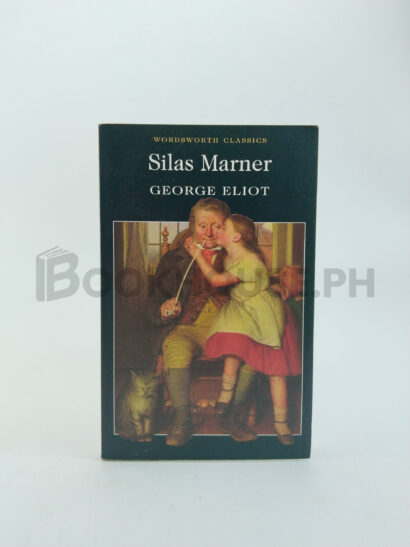
Silas Marner
Tells the story of the unjustly exiled silas marner – a handloom linen weaver of raveloe in the agricultural heartland of england – and how he is restored to life by the unlikely means of the orphan child eppie.
-
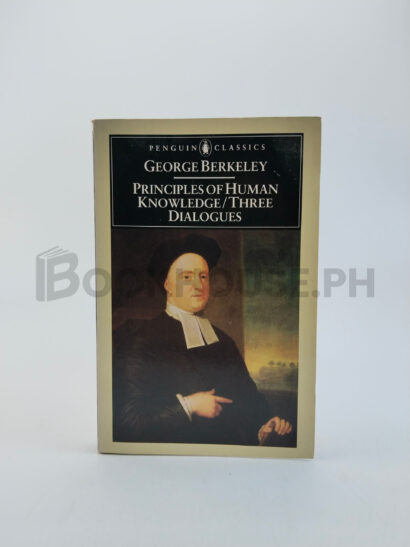
Principles Of Human Knowledge And Three Dialogues Between Hylas And Philonous
One of the greatest british philosophers, bishop berkeley (1685–1753) was the founder of the influential doctrine of immaterialism – the belief that there is no reality outside the mind, and that the existence of material objects depends upon their being perceived. the principles of human knowledge eloquently outlines this philosophical concept, and argues forcefully that the world consists purely of finite minds and ideas, and of an infinite spirit, god. a denial of all non-spiritual reality, berkeley’s theory was at first heavily criticized by his contemporaries, who feared its ideas would lead to scepticism and atheism. the three dialogues provide a powerful response to these fears.
-
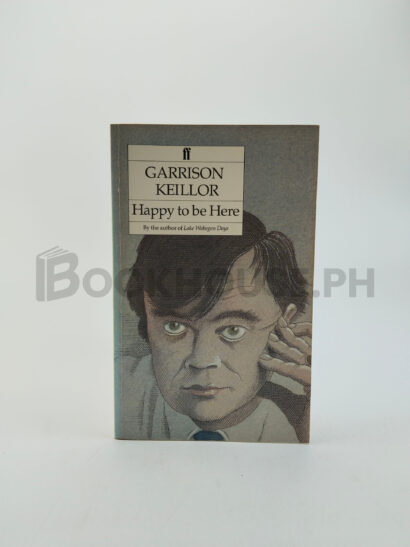
Happy To Be Here
In these reflections on our lives and times, keillor invites readers to join the shy rights movement, to drop in at the people’s shopper, and to hear the truth behind the cinderella legend as explained in the consciousness-raised lingo of my stepmother myself.
-
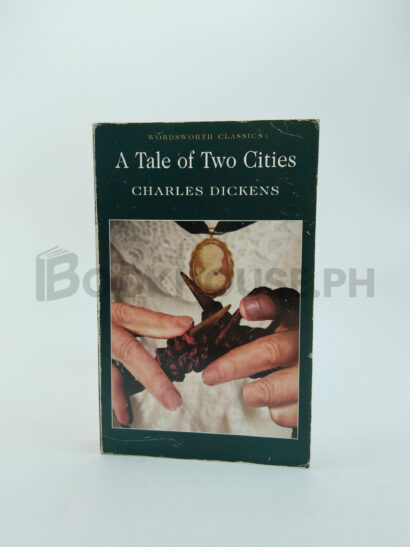
A Tale Of Two Cities
A classic tale of the young englishman who gives up his life during the french revolution to save the husband of the woman he loves.
-
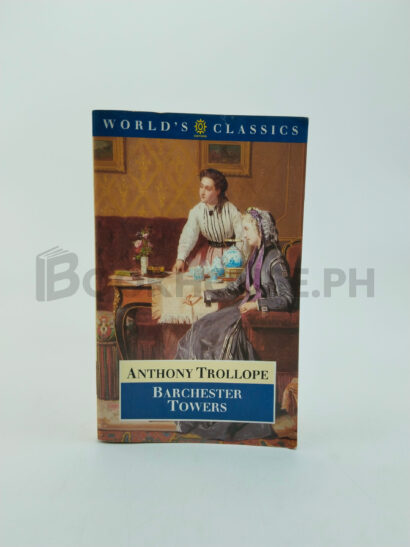
Barchester Towers
“liquor has become one of the hottest restaurants in town, thanks in part to chefs rickey and g-man’s wildly creative, booze-laced food. at the tail end of a busy mardi gras, milford goodman walks into their kitchen – he’s spent the last ten years in angola prison for murdering his boss, a wealthy new orleans restaurateur, but has recently been exonerated on new evidence and released. rickey remembers him as an ingenious chef and hires him on the spot.” “when a pill-pushing doctor and a carnival scion talk rickey into consulting at the restaurant they’re opening in one of the city’s “floating casinos,” rickey recommends milford for the head chef position and stays on to supervise. but soon rickey finds himself medicating a kitchen injury with the doctor’s wares, and g-man grows tired of holding down the fort at liquor alone. as the new restaurant moves toward its opening, rickey learns that milford’s past is inextricably linked with one of the project’s backers, a man whose intentions begin to seem more and more sinister.”–book jacket.
-
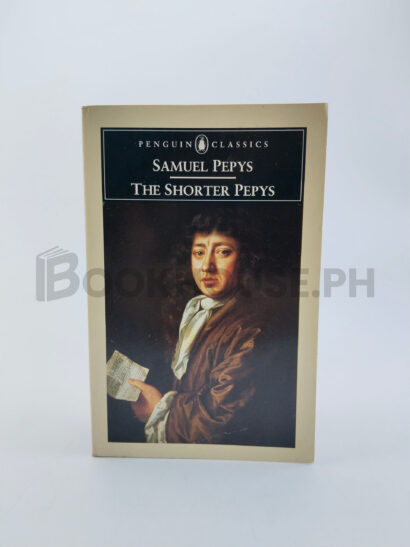
The Shorter Pepys
The 1660s represent a turning point in english history and for all the main events – the restoration, the dutch war, the great plague and the fire of london – pepys provides definitive eyewitness descriptions.